Streamside Habitat
At this habitat, you’ll discover a diversity of animals of along a Carolina stream. Streams are part of “nature’s waterworks,” an enormous circulating system that cleanses and distributes water across the land.
It's hot out there! Stay hydrated by taking advantage of free water refill options throughout the Park. Our animals may seek shaded areas during higher temps and may not be as visible to our guests (https://www.nczoo.org/visit/summer-tips).

The year 1994 was memorable at the Zoo as it’s when the North America region opened and when three polar bear siblings arrived, creating a statewide buzz. Our current polar bear stars are joined by black bears, red wolves and hundreds of other animals in this diverse region.
At this habitat, you’ll discover a diversity of animals of along a Carolina stream. Streams are part of “nature’s waterworks,” an enormous circulating system that cleanses and distributes water across the land.
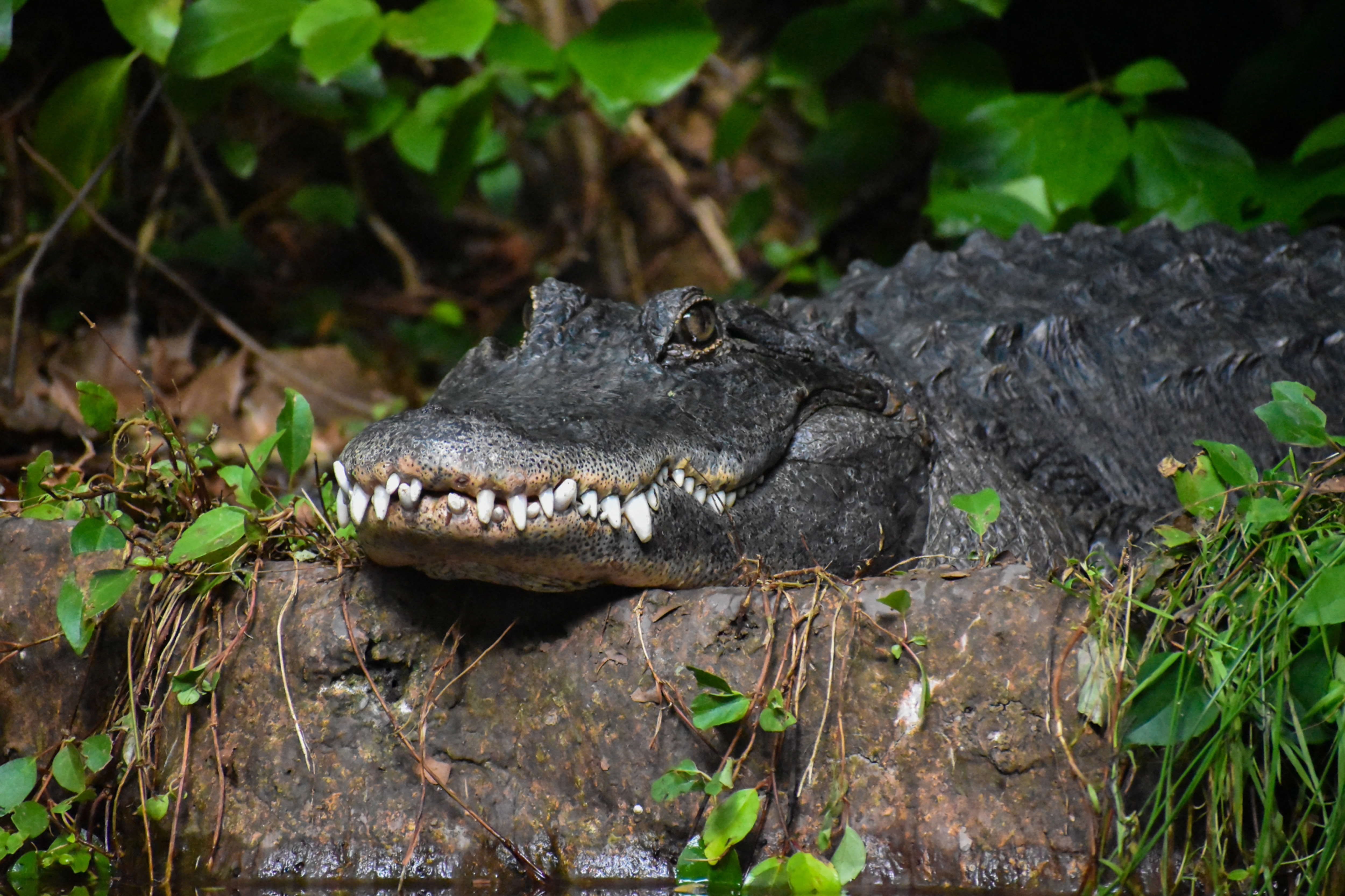
Cypress swamps are in the humid southeastern United States. At the North Carolina Zoo cougars, ducks, alligators, turtles, frogs and snakes share this habitat.
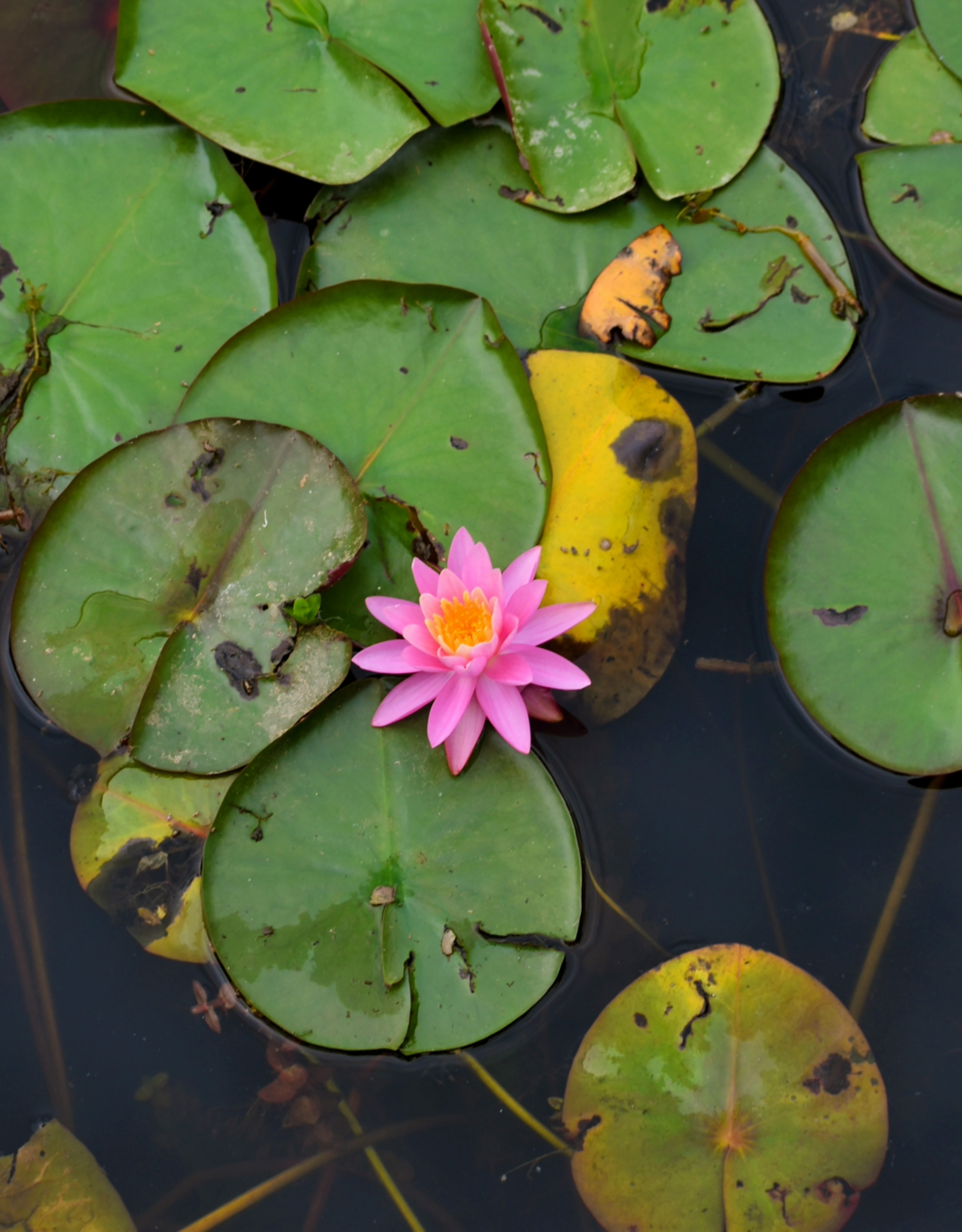
Depending on when you visit, you might see dozens of birds, hundreds of insects dancing around flowers, beavers, muskrats, water snakes, or frogs.
Chill out at the Rocky Coast exhibit and take in the cool wonders of the arctic. This popular exhibit features seabird and harbor seal. Underwater viewing allows patrons to get close to these amazing animals.
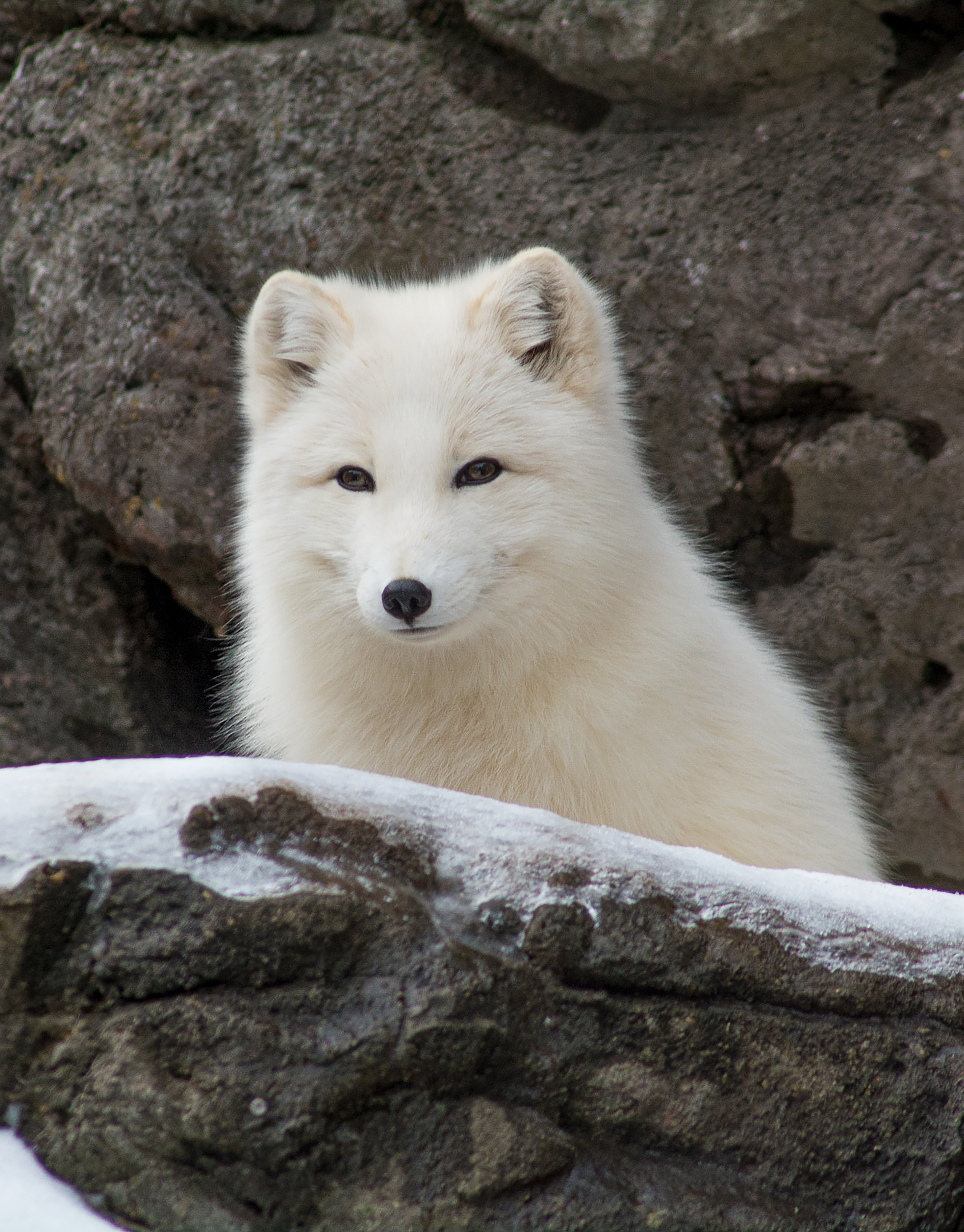
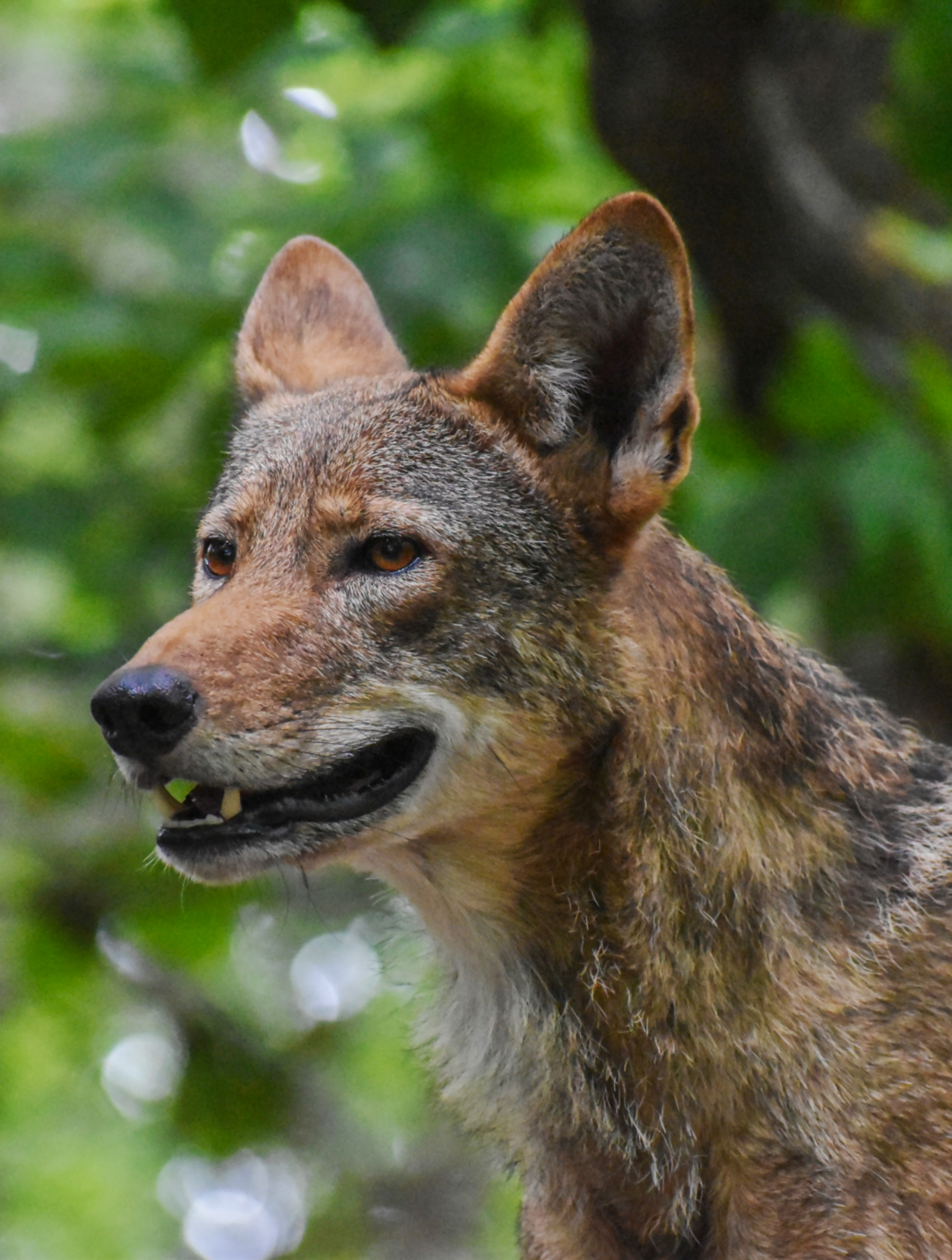
Peek through pine branches at the rare American red wolf. Learn about these North American predators and what the North Carolina Zoo is doing for their protection and conservation.
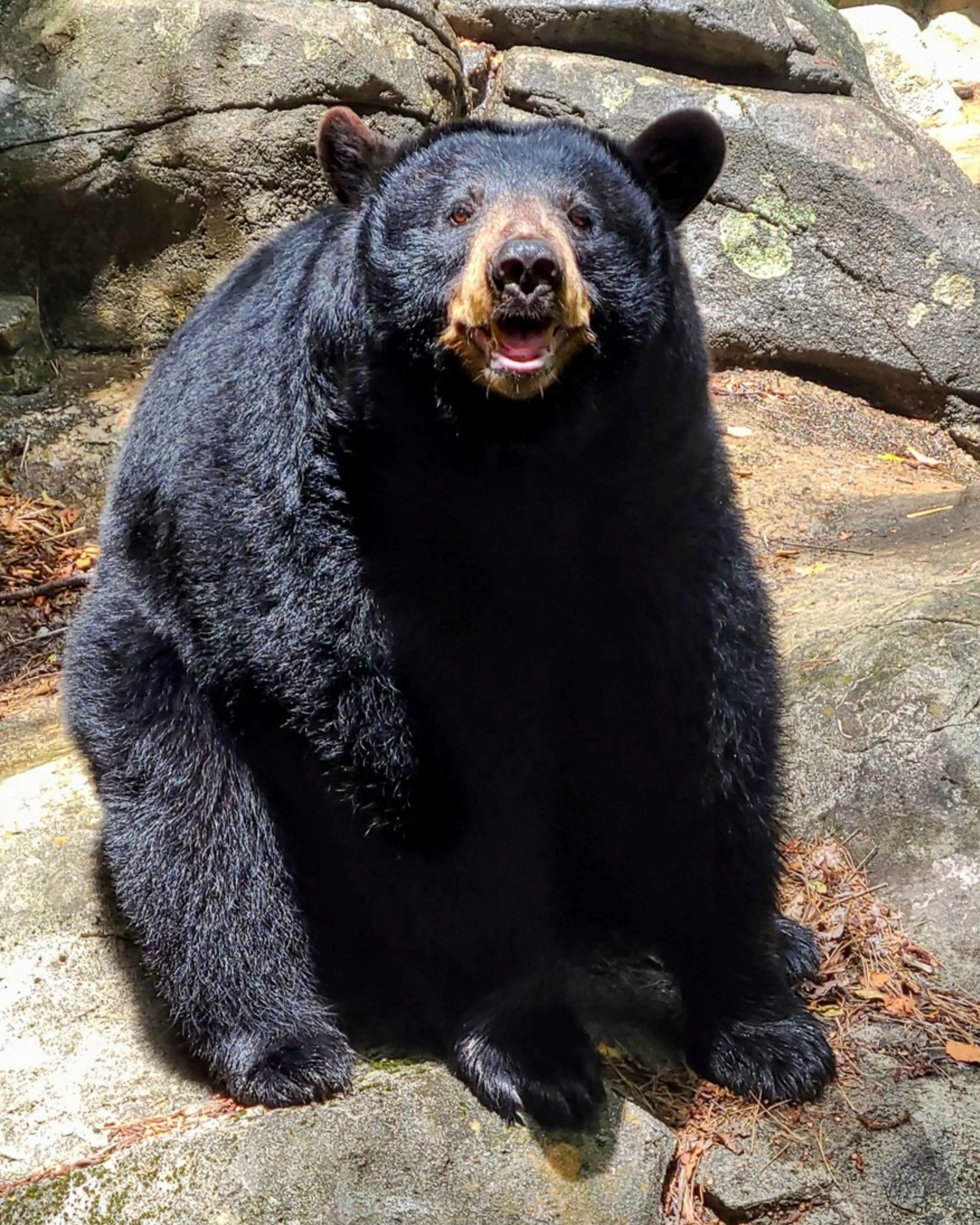
This shy, mid-sized bear has several color variations including chocolate brown, cinnamon brown, cream and blue.