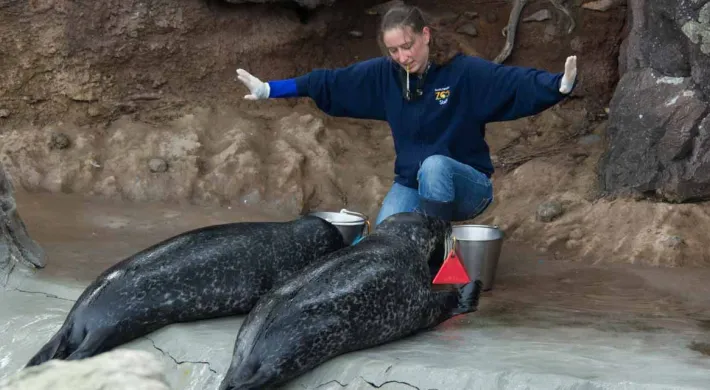
Our Crew at the Zoo: They speak for the Trees (and the shrubs, and the flowers and the sidewalks)
There is beauty in the details.
It's hot out there! Stay hydrated by taking advantage of free water refill options throughout the Park. Our animals may seek shaded areas during higher temps and may not be as visible to our guests (https://www.nczoo.org/visit/summer-tips).

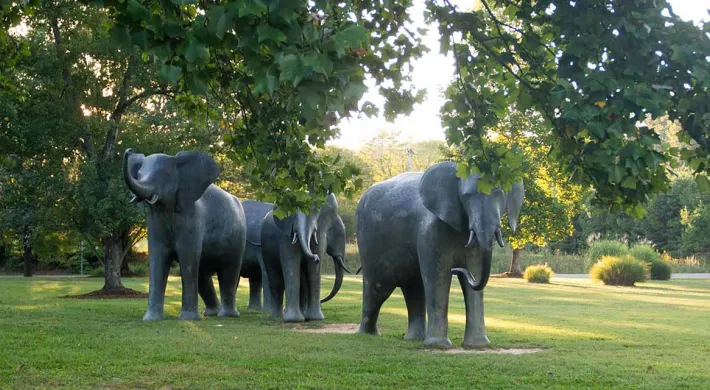
There is beauty in the details.

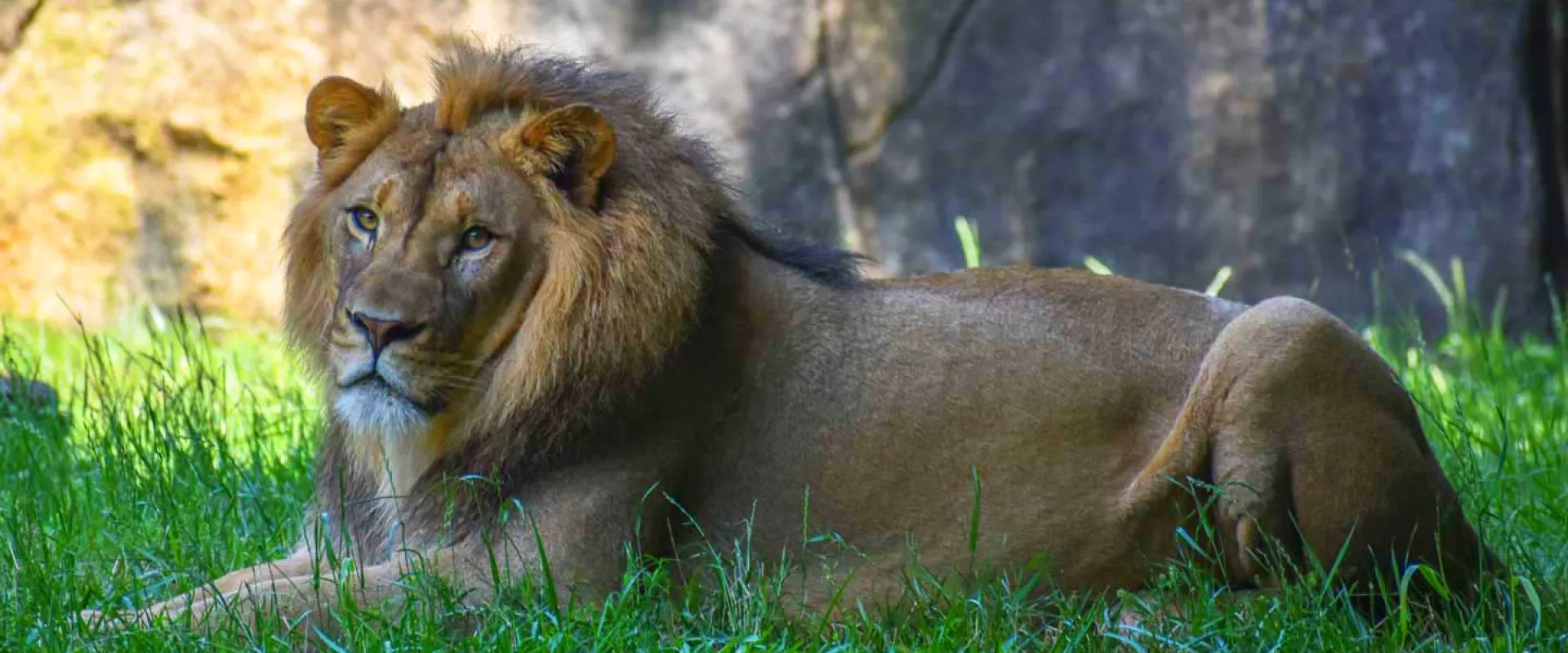
Unfortunately, as I’ve learned more about carnivores, I’ve also learned that populations of lions, cheetahs, wild dogs, and other carnivores are declining across Africa
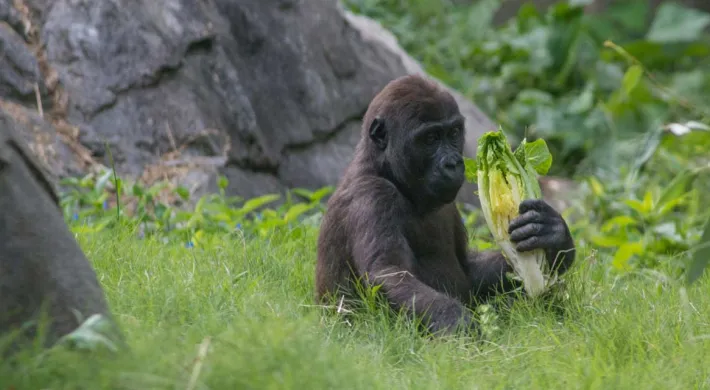
As you might be experiencing during the quarantine, life can get a bit dull without variety.
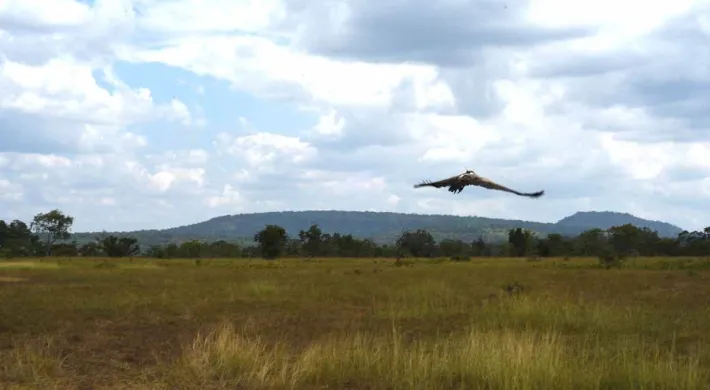
Everyone’s alive. On a good day, this is my first thought as I check in on our tagged cohort of African White-backed vultures in Tanzania.
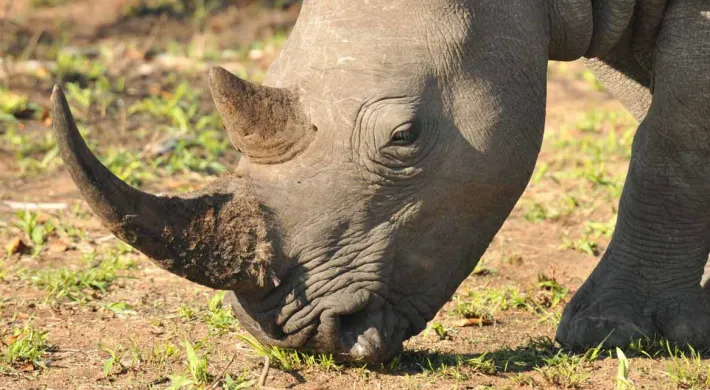
North Carolina Zoo has worked for years with several partners in the region to implement an anti-poaching program based on SMART conservation software that the Zoo helped develop.

When I started doing wildlife conservation research more than 20 years ago, going to the field and collecting data was very different.
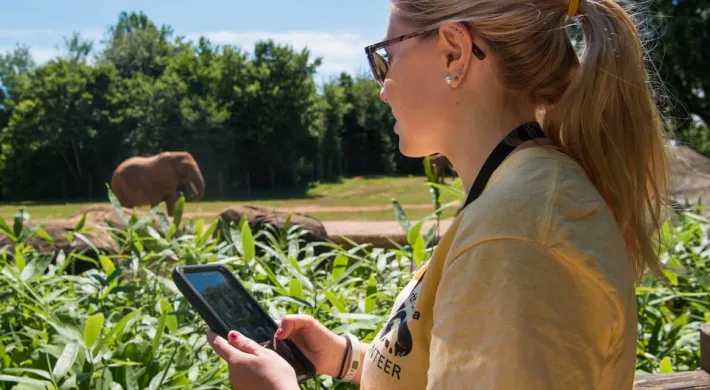
Every species, and often even each individual, has unique requirements, and research plays a big role as part of our constant effort for improving their well-being.
From the African Bush to the Piedmont: Saving Animals at Home and Around the World