
Thank you for helping grow conservation beyond the Zoo.
At the North Carolina Zoo, conservation is at the heart of everything we do. While many guests think first of animals, plants play an equally important role in protecting wildlife and supporting healthy ecosystems. Our horticulture team works year-round to cultivate gardens across the park that are not only beautiful but also beneficial to native wildlife.
The Zoo has recently been accredited as a Botanical Garden through Botanic Gardens Conservation International (BGCI), an important milestone that reflects our commitment to the highest international standards in plant conservation, care, and education. By maintaining diverse plant collections and pollinator-friendly habitats, we help support the insects, birds, and other wildlife that depend on healthy plant communities.
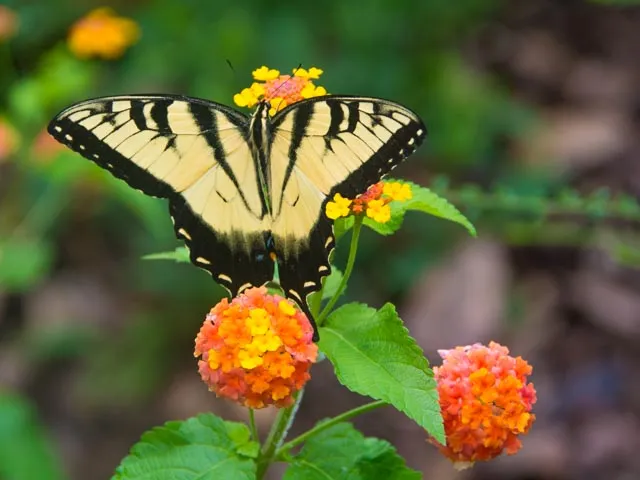
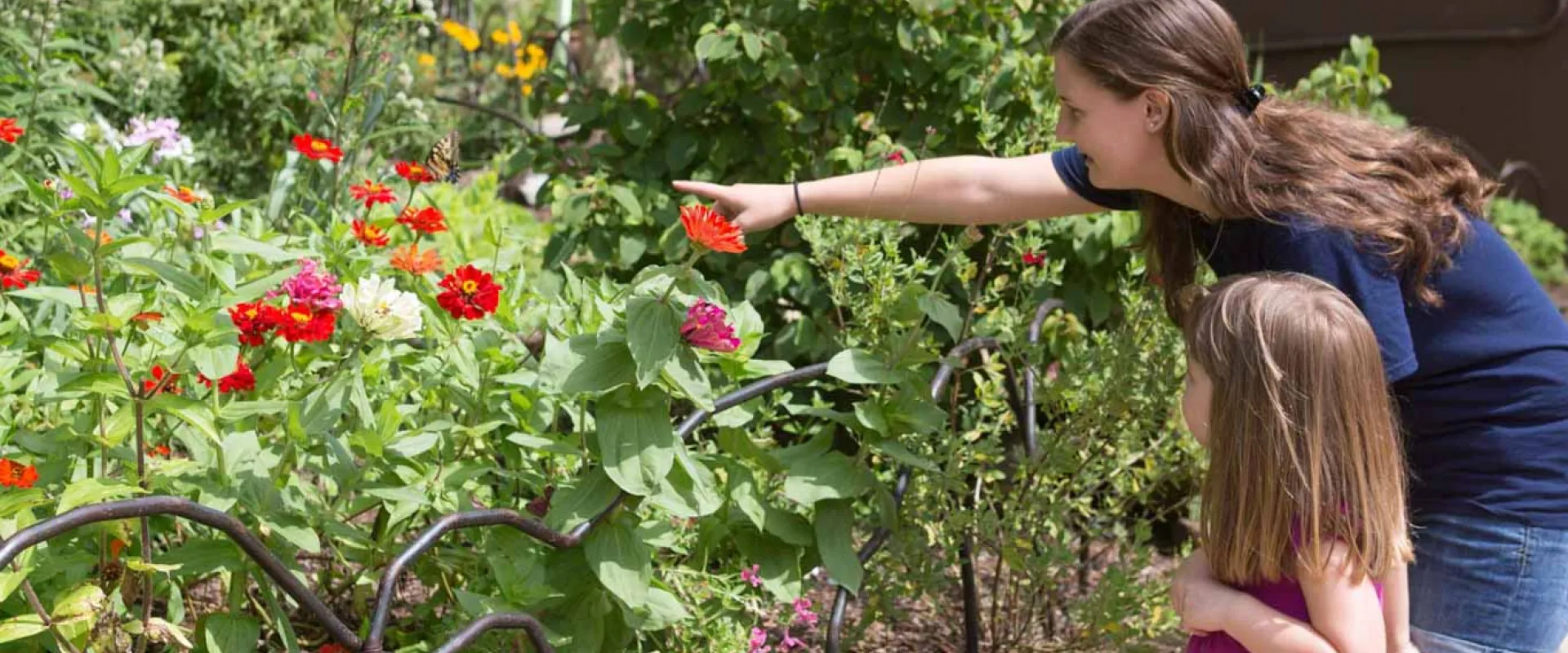
One of the ways we share this mission with our guests is through pollinator gardens located throughout the Zoo. These spaces demonstrate how planting the right flowers can provide food and habitat for bees, butterflies, and other pollinators. Pollinators are essential to ecosystems and agriculture. In fact, many of the foods we eat rely on pollination.
To help extend this impact beyond our gates, we created the "Grow Wild with the Zoo” seed project. Through this initiative, Zoo volunteers have packaged wildflower seed mixes for guests to plant at home. Each packet contains a Southeast wildflower mix made with 100% non-GMO seeds and no fillers, carefully selected to support pollinators and create vibrant habitat in home landscapes.
By planting these seeds, you are helping create small pockets of habitat that benefit birds, bees, butterflies, and other wildlife. Even a small garden can contribute to a larger network of pollinator-friendly spaces across our communities.
What's Inside Your Seed Mix
This blend contains 70% annuals and 30% perennials, providing blooms throughout the growing season.
Wildflower varieties included:
African Daisy
Annual Red Phlox
Black Eyed Susan
Blanket Flower
California Poppy Orange
Cornflower Dwarf Mix
Cornflower Tall Mix
Cosmos Bright Lights
Cosmos Wild Sensation
Daisy Gloriosa Mix
Five Spot
Lance Leaf Coreopsis
Lemon Mint
Perennial Blue Flax
Plains Coreopsis
Purple Coneflower
Red Corn Poppy
Russell Lupine
Scarlet Flax
Shirley Poppy Mixed Red and Pink
Siberian Wallflower
Snapdragon Toadflax
Sweet Alyssum Tall White
Wild Perennial Lupine
Planting Information
- Bloom Season: Spring though Fall
- Plant Height: 25+ Inches
- Planting Season:
- Fall to Spring
- Planting Requirements:
- Full sun to partial shade
- Direct sow outdoors
- planting depth 1/2 inch
- Hardiness Zones: 6 to 9
Growing Wild With the Zoo
When you plant these seeds, you are doing more than growing flowers. You are helping create habitat for pollinators that sustain ecosystems across North Carolina and beyond. Small actions like planting native and pollinator-friendly flowers can make a meaningful difference for wildlife.
We’d love to see your garden grow! Share photos of your flowers, seedlings, or gardening process and tag us on social media using #GrowWildWiththeZoo. Your gardens will help inspire others to plant pollinator-friendly flowers and contribute to wildlife conservation at home.
Thank you for helping the Zoo grow conservation, one garden at a time.