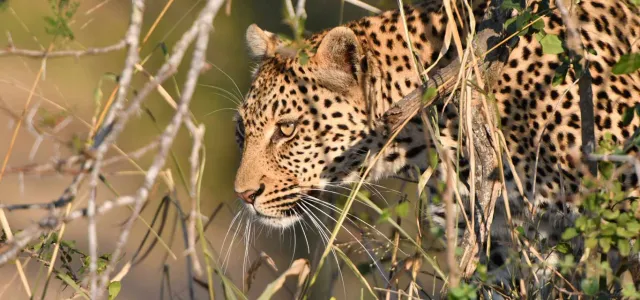
When planning your next adventure, do you consider the impact your visit might have beyond the experience itself? For many travelers who care about wildlife and the environment, choosing where to spend their time and money can be just as important as the memories they make. Responsible travel is about making choices that protect the places we love and knowing our money supports work that aligns with our values. At the North Carolina Zoo, a day spent making memories can also help protect animals, preserve natural habitats and support conservation efforts here in North Carolina and around the world. But what makes a visit to the Zoo a responsible and ethical choice?

Conservation Beyond Our Borders
When you visit the North Carolina Zoo, you might come to connect with animals, to exercise and explore the natural landscapes, or simply to entertain family and friends. People come to the Zoo for all different reasons! We like to think that there is something here for everyone, but you might be surprised to learn just how far the impact of your visit reaches. Every Guest who visits, directly and indirectly, supports our conservation mission!
One product of that impact is SMART (Spatial Monitoring and Reporting Tool), a conservation technology the Zoo helped develop. Used at more than 1,500 sites in over 100 countries, SMART helps wildlife rangers monitor animal populations, identify threats like poaching, and make informed decisions about protecting wildlife. Our conservation teams also work with communities across Africa to protect endangered vultures. Through GPS tracking, investigating poisoning incidents, and educating livestock owners about alternatives to harmful pesticides, we're helping protect these often-overlooked animals and the important role they play in healthy ecosystems.


These are just two examples of our conservation work, which spans 14 countries and more than 2,300 acres of protected land right here in North Carolina. As Dr. Drew Cronin, the Zoo's Director of Conservation, Education and Science, explains, “The impact of a visit to the Zoo reaches well past our gates. Part of every visit supports work around the world, from rangers protecting rhinos in Africa to hellbender monitoring right here in North Carolina. Our Zoo Guests are what make our mission possible.”
Saving Animals from Extinction
The North Carolina Zoo is also actively involved in the Association of Zoos and Aquariums' (AZA) Saving Animals From Extinction (SAFE) programs. These collaborative initiatives bring together zoos, aquariums, and conservation partners to protect threatened wildlife in their natural habitats. The Zoo helped establish four SAFE programs focused on African vultures, American Red Wolves, Asian hornbills and colobus monkeys. We also participate in programs protecting gorillas, giraffes, and monarch butterflies among other species.


Our involvement goes far beyond financial contributions. Depending on each program’s needs, we provide funding, equipment, technology and the hands-on knowledge and expertise of our dedicated staff. Working alongside conservation partners, our teams help monitor wildlife, protect habitats, train local conservation teams and troubleshoot specialized technology. We also raise awareness about threats facing wildlife and educate and inspire our Guests to become part of the solutions.
For example, through SAFE Gorilla, the Zoo supports conservation partners in Central Africa that use SMART technology to monitor gorilla populations and protect their forest habitats. Closer to home, SAFE American Red Wolf supports recovery efforts for one of the world's most endangered canids. Zoo staff are developing innovative animal care practices that encourage natural behaviors and help prepare wolves for potential release into the wild. Our Guests can play a role, too! Through SAFE programs like Gorillas on the Line, visitors can contribute to conservation by recycling old cell phones and tablets here at the Zoo, helping reduce demand for newly mined materials associated with habitat destruction in gorillas’ native countries.


Caring for Wildlife, Near and Far
Conservation isn’t only about protecting animals in distant countries. For 25 years, the Zoo's Valerie H. Schindler Wildlife Rehabilitation Center has provided free professional care to sick, injured and orphaned native wildlife. The Wildlife Center treats approximately 1,000 animals each year with the goal of returning them to the wild with the best possible chance of survival! This year, the Wildlife Center celebrated its 25th anniversary with a particularly special success story. In September 2026, a bald eagle was found barely responsive at a landfill in Asheboro. After weeks of specialized care, she was successfully released at the Zoo on November 4.
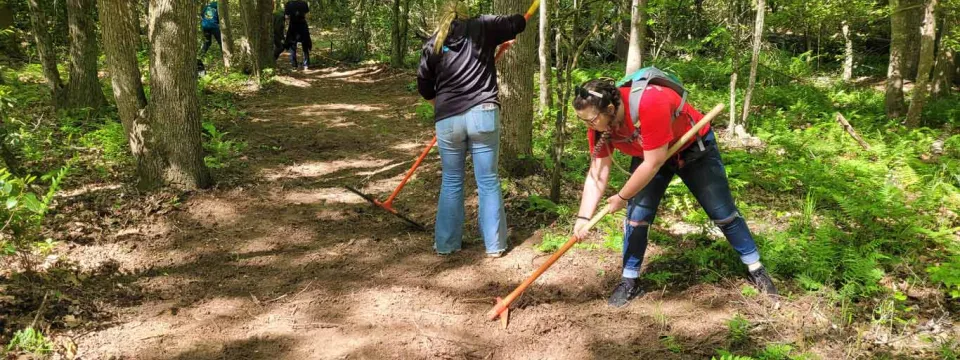
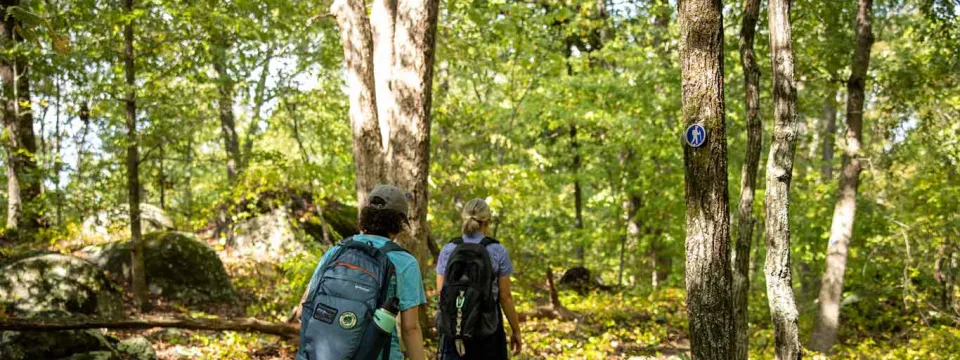
Beyond rehabilitation, we also work to protect North Carolina's native wildlife and the land it calls home. Through partnerships with state agencies, we have helped release more than 2,000 endangered gopher frogs and we monitor long-term population trends of eastern hellbenders, North America's largest salamanders. Our teams also preserve, manage, and restore over 2,300 acres of undeveloped land across four regional preserves (Purgatory Mountain, Ridges Mountain, Ward Nature Preserve, and Nichols Longleaf Pine Preserve) in North Carolina. These protected areas provide critical habitat for many plants and animals, create wildlife corridors that let animals safely move across land and offer opportunities for people to connect with nature through hiking and rock climbing.


Practicing What We Teach
Protecting wildlife also means taking responsibility for our own environmental footprint. Across the Zoo, sustainability is part of everyday operations, often in ways guests might never notice. Our horticulture teams turn animal manure, plant material, and food waste into compost, returning valuable nutrients to the soil. Solar Pointe, our solar generating station and public picnic area, contributes renewable electricity to the power grid. Monitoring our energy and water consumption also helps us identify opportunities to conserve resources.
We have reduced our reliance on printed paper maps, incorporated responsibly sourced printing materials and introduced compostable food-service products. These efforts reflect a long-standing commitment to environmental stewardship. In 2012, the Zoo became the first recipient of AZA’s Green Award and received a sustainability award from the World Association of Zoos and Aquariums in 2022. While no large destination operates without any environmental impact, we believe responsible stewardship means continually looking for ways to improve.


Animal Welfare Matters
How we care for our animals is just as important as the conservation work we do. As an AZA-accredited institution, the North Carolina Zoo meets rigorous professional standards for animal care, veterinary medicine, conservation, education and safety. Our expansive, naturalistic habitats encourage species-appropriate behaviors while our animal care teams provide specialized diets, environmental enrichment, and training opportunities that encourage animals to participate voluntarily in their own healthcare. From gorillas cooperating with blood pressure monitoring to polar bears participating in voluntary blood collection, these programs support individualized care and animal wellbeing.


A Day of Discovery That Makes a Difference
Whether you're exploring our walking trails, enjoying time outdoors with family and friends, or learning about endangered species, every visit offers opportunities to connect with nature while supporting something bigger than ourselves. With so much to discover, you can easily spend an entire day (or even two) exploring the Zoo. From conservation efforts around the world, to the care we provide our animals, and the sustainable practices we embrace, the examples shared here represent only a fraction of the work happening every day at the North Carolina Zoo.
And the experience doesn't end when you leave. What your learn may inspire small changes in your own life, from recycling electronics to protecting native wildlife and making more sustainable choices. Responsible travel doesn't mean sacrificing fun or adventure. It means choosing experiences that reflect what we value, and when you choose to visit us, you're doing more than planning a fun day out. You're helping support a future where wildlife, wild places, and people can thrive together.